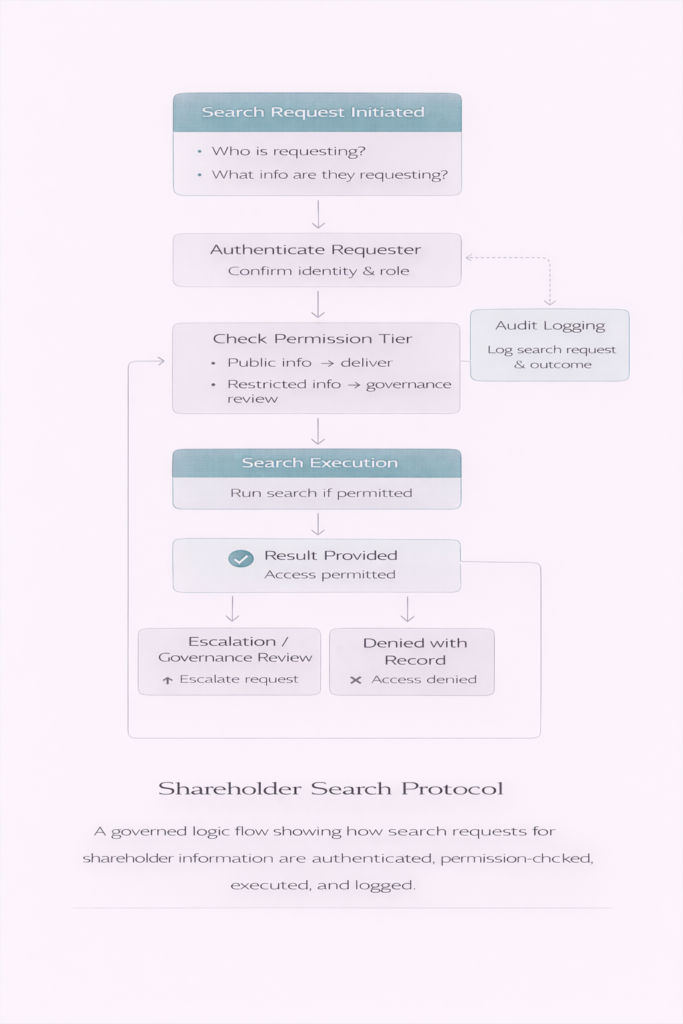
Shareholder Outreach & Verification Notice
Governance process to improve register accuracy, succession clarity, and long-term sustainability.
Purpose: Ensure shareholder details are accurate so communications, succession processes, and entitlements can be managed fairly over time.
Who should respond?
- Shareholders who have not had recent contact with the Trust
- Whānau members acting for a shareholder who is deceased or unable to engage
- Anyone who believes they may have an interest and wants to confirm it
What this is (and is not)
- This is: a structured verification process
- This is not: a forfeiture or “name & shame” process
- Privacy: we use status indicators, not public personal details
How the process works (repeatable protocol)
- Consolidate records into one register (no guessing; unknown stays unknown).
- Direct outreach where contact details exist (reasonable attempts, then stop).
- Public notice period (this page) so anyone can self-identify and respond.
- Status update based on outcomes: Verified / Pending Succession / Unverified / Deceased.
- Ongoing annual maintenance to prevent the register degrading again.
Core principle: The Trust is responsible for outreach. The shareholder (or whānau representative) is responsible for engagement.
What happens if there is no response?
- Status may be recorded as Unverified / Inactive until verification is completed
- Records remain reversible upon engagement
- Any actions are documented to protect fairness and future governance
Note: This process is designed to be fair, non-intrusive, and transparent.
Contact & Verification Instructions
To confirm details, please contact the Trust office and reference your shareholder name (and ID if known). If you are contacting us on behalf of a deceased shareholder, we will advise the appropriate succession documents.
Tip: If you are unsure whether you hold shares, contact us anyway and we will guide you.
FAQ
Is this taking away shares?
No. This is a verification process to improve accuracy and protect the Trust long-term.
Why is the Trust doing this now?
Because register accuracy degrades over time. This process prevents problems compounding into the next generation.
Shareholder Register Verification & Outreach
AGM Notice
The Trust is undertaking a structured review of its shareholder register to improve accuracy, succession clarity, and long-term governance sustainability.
Over time, shareholder registers naturally degrade due to address changes, deaths, and incomplete succession information. Without a repeatable process, these issues compound and are passed on to future generations.
Core principle: The Trust is responsible for reasonable outreach. Shareholders (or their whānau representatives) are responsible for engagement.
What this involves
- Consolidation of existing shareholder records into a single register
- Reasonable direct outreach where contact details exist
- A publicly accessible outreach notice to allow self-identification
- Clear status recording (e.g. verified, pending succession, unverified)
- Ongoing annual maintenance to prevent future degradation
What this is (and is not)
- This is: a verification and register hygiene process
- This is not: a forfeiture process
- Privacy: personal details are not published publicly
- Approach: no naming or shaming
What shareholders should do
Shareholders, or whānau acting on behalf of a shareholder, who have not had recent contact with the Trust are encouraged to review the public outreach notice and confirm their details.
Full notice & contact instructions:
[PASTE THE URL TO YOUR OUTREACH PAGE HERE]
Tip: If you are unsure whether you hold shares, contact the Trust anyway and we will guide you.
Shareholders who do not engage after reasonable outreach may have their status recorded as unverified, with entitlements held until verification is completed. Records remain reversible upon engagement.
Chair’s Speaking Note (AGM Floor)
“Before we move on, I want to briefly address the shareholder register review you’ll see referenced in the AGM pack. Over time, all registers naturally degrade — people move, whānau circumstances change, and succession information isn’t always updated. What we are doing is not about removing anyone’s interests or calling people out. It’s about putting in place a fair, transparent, and repeatable process so the Trust knows who it is responsible to, and so future generations don’t inherit uncertainty. The Trust will make reasonable efforts to reach shareholders, and we are also asking shareholders and whānau to engage with us. This is about clarity, stewardship, and protecting the Trust long-term.”
Tip (internal): Deliver this once, calmly, then stop. Let the statement land.
Trustee Q&A Sheet (Anticipated Questions)
Internal use only. Keep answers short. Avoid debating history. Return to: “reasonable outreach”, “status not judgement”, “protecting future generations”.
Q1. Are shares being taken away from anyone?
Answer: No. This is a verification process only. Shares are not forfeited or cancelled. Status can be updated at any time once verification is completed.
Q2. Why is the Trust doing this now?
Answer: Because register accuracy degrades over time. Without a process, the problem compounds and becomes harder for future trustees and beneficiaries to resolve.
Q3. Why make this public on the website?
Answer: Transparency protects everyone. A public notice creates a clear, respectful way for people to self-identify and ensures the Trust can demonstrate reasonable outreach.
Q4. Is this singling out people who haven’t been involved?
Answer: No. The process is status-based, not personal. No names or personal details are published publicly, and no one is judged for past disengagement.
Q5. What happens if someone doesn’t respond?
Answer: Their status may be recorded as unverified or inactive until engagement occurs. This is reversible at any time when contact is made.
Q6. Will dividends be lost if someone doesn’t engage?
Answer: No. Dividends may be held until verification is complete, but entitlements are not removed. This protects both the shareholder and the Trust.
Q7. Is this about reducing the number of shareholders?
Answer: No. It’s about knowing who the shareholders are, their status, and how to engage with them responsibly.
Q8. Hasn’t the Trust tried to do this before?
Answer: Different approaches have been used over time. What’s new here is a documented, repeatable protocol that future boards can continue without restarting the work.
Q9. Could this upset some whānau?
Answer: Change can be uncomfortable, but clarity is kinder than uncertainty. This approach is designed to be respectful, transparent, and fair.
Q10. Who approved this process?
Answer: The Board approved the protocol as a governance measure to protect the Trust and future beneficiaries.