Succession Visibility
Te Kitea o te Tuku Iho
Recording declared intent and whānau pathways early — without deciding legal outcomes. Visibility reduces paralysis when life events occur.
Te tuhi wawe i ngā hiahia kua whakapuakina me ngā ara whānau — engari kāore e whakatau i ngā hua ā-ture. Mā te kitea e whakaiti ai te kūare me te tū o te mahi ina puta ngā kaupapa nui o te ao.
Operational readiness • Respectful • Court-safe Te reri whakahaere • He whai mana • He haumaru mō te kōtiWhy this matters
Te take e hira ai
Succession becomes a crisis when it is addressed only after a death, dispute, or major life change. In many trusts, whānau “know” what should happen — but nothing is written down in a practical place.
Ka riro te tuku iho hei raruraru nui ina kōrerohia anake i muri i te matenga, i te tautohe, i tētahi panonitanga nui rānei o te ao. I roto i te maha o ngā tarahiti, “e mōhio ana” te whānau ki te mea tika — engari kāore e tuhia ki tētahi wāhi whai hua.
Succession visibility is not a legal decision. It is preparedness.
Ehara te kitea o te tuku iho i te whakatau ture. He whakarite kē.
What it is
He aha tēnei
Succession visibility is the practice of recording declared intent, relationship pathways, and basic supporting information so trustees can respond calmly when required.
Ko te kitea o te tuku iho he tikanga tuhi i ngā hiahia kua whakapuakina, ngā ara hononga, me ngā kōrero tautoko māmā kia taea ai e ngā kaitiaki te whakautu mā te tau ina hiahiatia.
- Captures “what people say they want” while they are alive
- Stores contact details for likely successors / whānau links
- Flags cases that need legal follow-up (without doing the law work here)
- Ka hopu i ngā “hiahia e kīia ana” i te wā e ora tonu ana te tangata
- Ka pupuri i ngā kōrero whakapā mō ngā uri pea / ngā hononga whānau
- Ka tohu i ngā take me whai mahi ture ā muri ake (kāore e mahi ture i konei)
What it is not
He aha kāore
Succession visibility does not decide ownership, determine beneficiaries, override wills, or replace court process. It is deliberately conservative and court-safe.
Kāore te kitea o te tuku iho e whakatau i te rangatiratanga, e tohu i te hunga whai pānga, e whakakapi i te wira (will), e whakakapi rānei i te tukanga kōti. He tūpato, he haumaru mō te kōti.
- No legal determinations
- No “automatic transfers”
- No bypassing trustees’ duties or court requirements
- Kāore he whakatau ture
- Kāore he “neke aunoa” o ngā hea
- Kāore e karo i ngā kawenga kaitiaki, i ngā herenga kōti hoki
Why paralysis happens
Te take ka tū te mahi
When succession is unclear, trustees often freeze. This is not laziness — it is risk management. Without reliable information, any action can feel unsafe.
Ina rangirua te tuku iho, ka tū ngā kaitiaki. Ehara tēnei i te mangere — he whakahaere mōrearea kē. Ki te kore he mōhiohio pono, ka raru te mahi, ka āhua mōrearea katoa.
- Multiple family views emerge after a death
- Contact details for key people are missing
- Records are spread across old lists, emails, and memory
- Trustees fear being accused of unfairness
- Ka puta ngā tirohanga rerekē o te whānau i muri i te matenga
- Kua ngaro ngā kōrero whakapā mō te hunga matua
- Kua marara ngā rēhita ki ngā rārangi tawhito, ngā īmēra, me te maumahara
- Ka mataku ngā kaitiaki kei kīia he kore tōkeke
Practical approach (GOP method)
Te ara whai hua (tikanga GOP)
The GOP uses a simple, non-adversarial system: record what is known, record what is declared, and flag what is unresolved — early.
Ka whakamahi te GOP i tētahi pūnaha māmā, kore tautohe: tuhia ngā mea e mōhiotia ana, tuhia ngā mea kua whakapuakina, ā, tohua ngā mea kāore anō kia oti — i mua.
Succession Notes
Ngā Tuhipoka Tuku Iho
- Declared intent (in the person’s own words)
- Whānau links and key contacts
- Relevant context (where helpful, not intrusive)
- Date recorded + who recorded it
- Ngā hiahia kua whakapuakina (i ngā kupu ake o te tangata)
- Ngā hononga whānau me ngā tangata whakapā matua
- He horopaki whai hua (kāore e pokanoa)
- Te rā i tuhia ai + ko wai i tuhi
Status Flags
Ngā Tohu Tūnga
- Clear: information is current and consistent
- Pending: known intent, but documents not confirmed
- Unresolved: competing claims or missing information
- Legal Required: formal process needed (court / lawyer)
- Mārama: he hou, he ōrite ngā kōrero
- E tatari ana: e mōhiotia ana te hiahia, engari kāore anō ngā tuhinga kia whakamanatia
- Kāore anō kia oti: he kerēme rerekē, he kōrero ngaro rānei
- Me whai ture: me whai tukanga ā-ture (kōti / rōia)
Operational aim: When a life event occurs, trustees can move from “we don’t know” to “here is what we do know” in minutes — not months.
Whāinga whakahaere: Ina puta tētahi kaupapa nui o te ao, ka taea e ngā kaitiaki te neke mai i te “kāore mātou e mōhio” ki te “anei ngā mea e mōhiotia ana” i roto i ngā meneti — kaua i ngā marama.
Governance benefits
Ngā painga whakahaere
Succession visibility reduces conflict, reduces delay, and supports fairness — without overstepping legal boundaries.
Mā te kitea o te tuku iho e whakaiti ai te tautohe, te pōturi, ā, e tautoko ai te tōkeke — me te kore e takahi i ngā herenga ture.
- Less time lost to “who do we contact?”
- Lower risk of accusations and misunderstandings
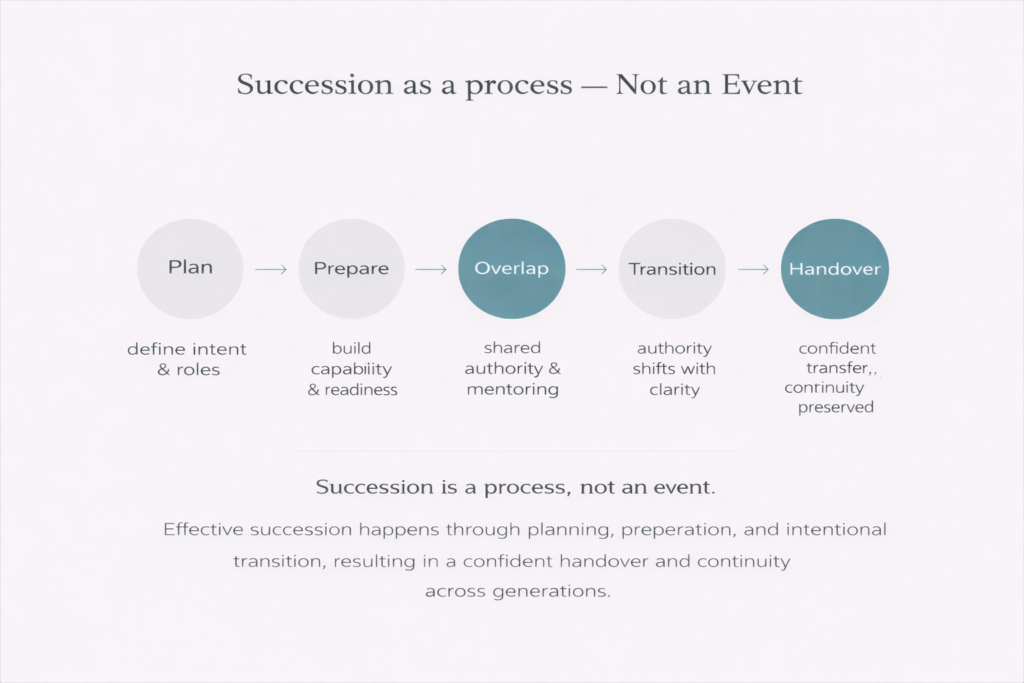
- Cleaner handover between trustees and generations
- Fewer dividends stuck due to unknown status
- He iti ake te wā ka ngaro ki te “ko wai hei whakapā atu?”
- He iti ake te mōrearea o ngā whakapae me ngā rangirua
- He māmā ake te whakawhitinga mātauranga i waenga i ngā kaitiaki me ngā reanga
- He iti ake ngā hua ka “mau” nā te kore mōhio o te tūnga